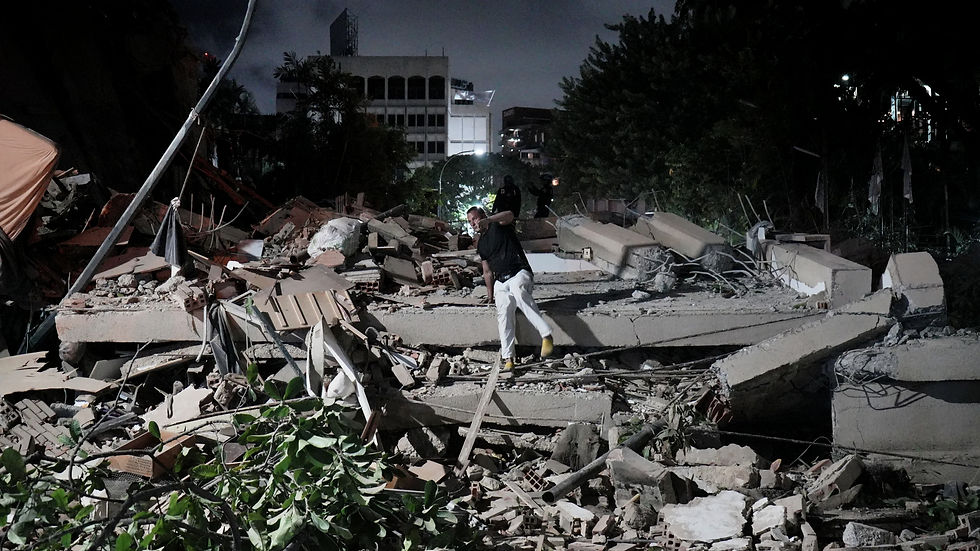
On Wednesday evening, June 24, 2026, a catastrophic doublet earthquake sequence struck Venezuela’s northern Caribbean coast, bringing down several high-rise buildings in the capital and causing severe structural damage. The U.S. Geological Survey confirmed the dual event began with a magnitude 7.2 foreshock, followed just 39 seconds later by a massive magnitude 7.5 mainshock centered near the coastal community of Morón. The shallow 13-kilometer-deep quakes generated intense surface shaking that triggered landslides in suburban Baruta and brought down structures in high-density Caracas neighborhoods like Altamira, San Bernardino, and Los Palos Grandes. While casualties are still unconfirmed, rescue workers are actively clearing rubble, and officials have urged citizens to remain outdoors due to severe aftershock risks.
The disaster mirrors the tragic 1967 Caracas earthquake, which caused high-rise failures in the exact same districts, but today's doublet sequence presents an even greater structural and economic threat. Densely populated urban centers are facing catastrophic concrete collapses, while peripheral hillside settlements face secondary threats from mudslides. Furthermore, with the Simón Bolívar International Airport in La Guaira heavily damaged and halted, inbound humanitarian air corridors are blocked. The ripple effects extend across the Caribbean basin; tremors rattled neighboring Colombia, and the destruction of La Guaira's maritime infrastructure risks severe shipping delays, supply chain bottlenecks, and energy processing disruptions for nearby islands like Trinidad, Aruba, and Curaçao. Reconstruction costs for collapsed high-rises, crippled transit hubs, and severed municipal utilities will scale into the billions, testing an already strained national budget.
The aftershocks will keep coming, and the challenge for the Caribbean rim is whether to face these tectonic disruptions in isolation or to build a unified system of cross-border resilience and stricter safety standards.




Comments